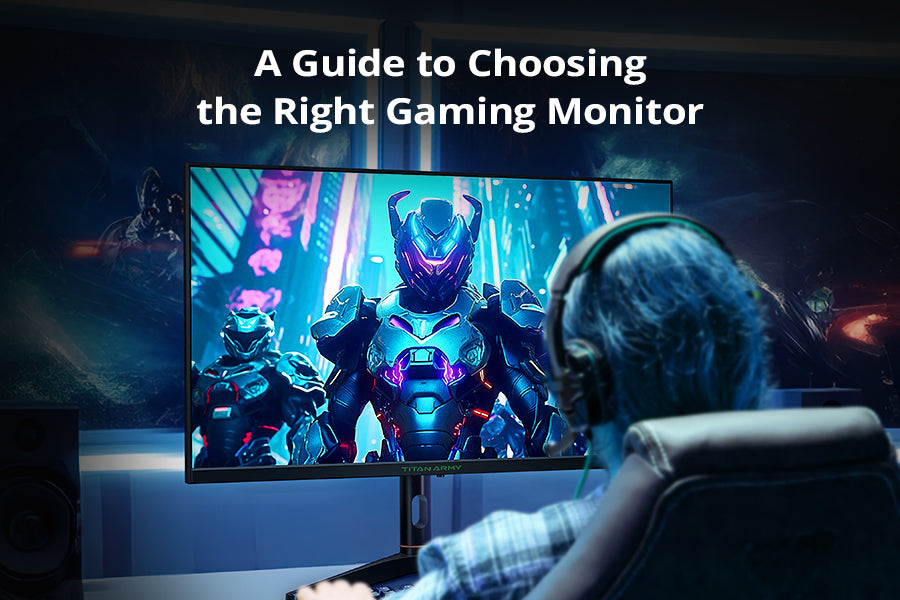
Bij de aanschaf van een gamingmonitor is de "reactietijd" een van de meest genoemde, maar vaak verkeerd begrepen specificaties. Veel gamers vragen zich af: wat is de beste reactietijd voor een gamingmonitor en maakt het echt een verschil in prestaties?
In werkelijkheid is de reactietijd de schakel tussen de rekenkracht van je GPU en wat je ogen daadwerkelijk waarnemen. In deze gids leggen we de wetenschap achter snelheid uit. We bekijken hoe dit samenwerkt met de verversingsfrequentie. Dit helpt je bij het kiezen van het beste scherm voor jouw speelstijl.
Wat betekent reactietijd?
In essentie verwijst de reactietijd naar hoe snel de pixels van een monitor van de ene kleur naar de andere kunnen veranderen. Dit wordt doorgaans gemeten in milliseconden (ms). De verversingsfrequentie (gemeten in Hz) geeft aan hoeveel beelden uw monitor per seconde kan weergeven. De reactietijd beïnvloedt hoe scherp die beelden zijn wanneer ze bewegen.
De gevolgen van trage reactietijden
Als een pixel tijdens het spel niet snel genoeg van kleur kan veranderen, kunnen er visuele storingen optreden. Deze storingen kunnen je spelervaring verpesten of er zelfs voor zorgen dat je een wedstrijd verliest.
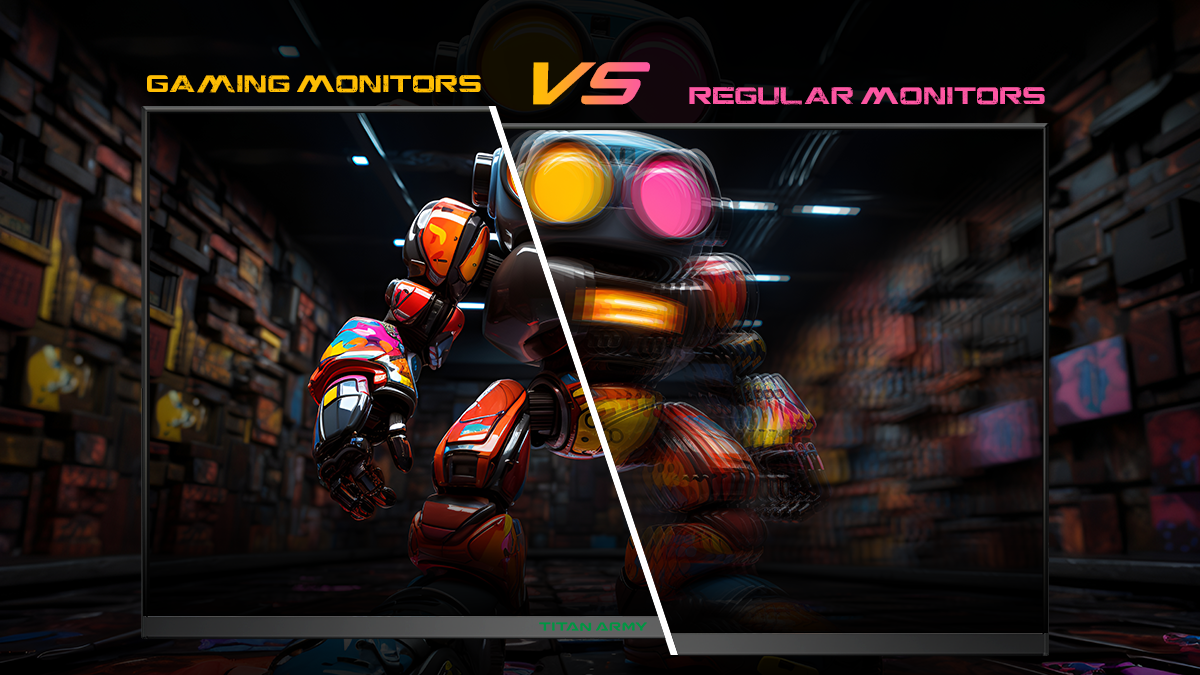
- Bewegingsonscherpte: Een algemeen verlies van scherpte tijdens snelle bewegingen.
- Ghosting: Een vage, spoorachtige schaduw die bewegende objecten over het scherm volgt.
- Vlekken: Komt vaak voor bij oudere of goedkopere panelen, waarbij donkere kleuren tijdens overgangen in lichtere kleuren "verlopen".
Voor moderne games, met name snelle en competitieve spellen, is een lagere reactietijd cruciaal. Het zorgt voor scherpe beelden en nauwkeurige besturing.
De belangrijkste specificaties: Vernieuwingsfrequentie versus reactietijd
Om te begrijpen waarom een 240Hz-monitor zo gewild is, moet je het verband tussen deze twee meetwaarden begrijpen.
Een hoge verversingsfrequentie zorgt voor een vloeiende videoweergave. Als je echter een 240Hz-monitor hebt met een trage reactietijd, zullen de frames elkaar overlappen, wat een wazig beeld oplevert. Om de mogelijkheden van hoogwaardige hardware optimaal te benutten, moet de pixelovergang sneller zijn dan de "frametijd". Dit is de tijd die elk frame in beslag neemt.
Pro-tip: Op een 240Hz-monitor verschijnt er elke 4,17 ms een nieuw frame. Als uw reactietijd hoger is, zult u niet de ware helderheid ervaren die 240Hz kan bieden.
Wat is een goede reactietijd voor gaming?
In de hitte van een wedstrijd bepaalt de reactietijd van je monitor het verschil tussen een haarscherp beeld en een wazige bende. De verversingsfrequentie geeft aan hoeveel frames per seconde je ziet, terwijl de reactietijd bepaalt hoe vloeiend die frames in elkaar overgaan.
1. De gouden standaard van 1 ms
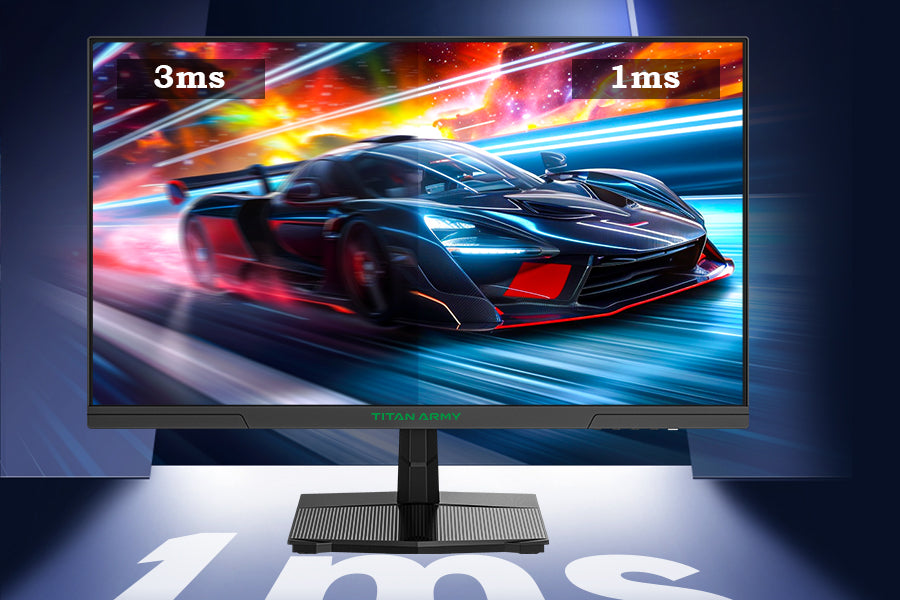
Voor de meeste gamers is 1 ms (GtG of MPRT) de ideale reactietijd. Het elimineert vrijwel volledig "ghosting"—dat irritante spoor dat snel bewegende objecten achterlaten.
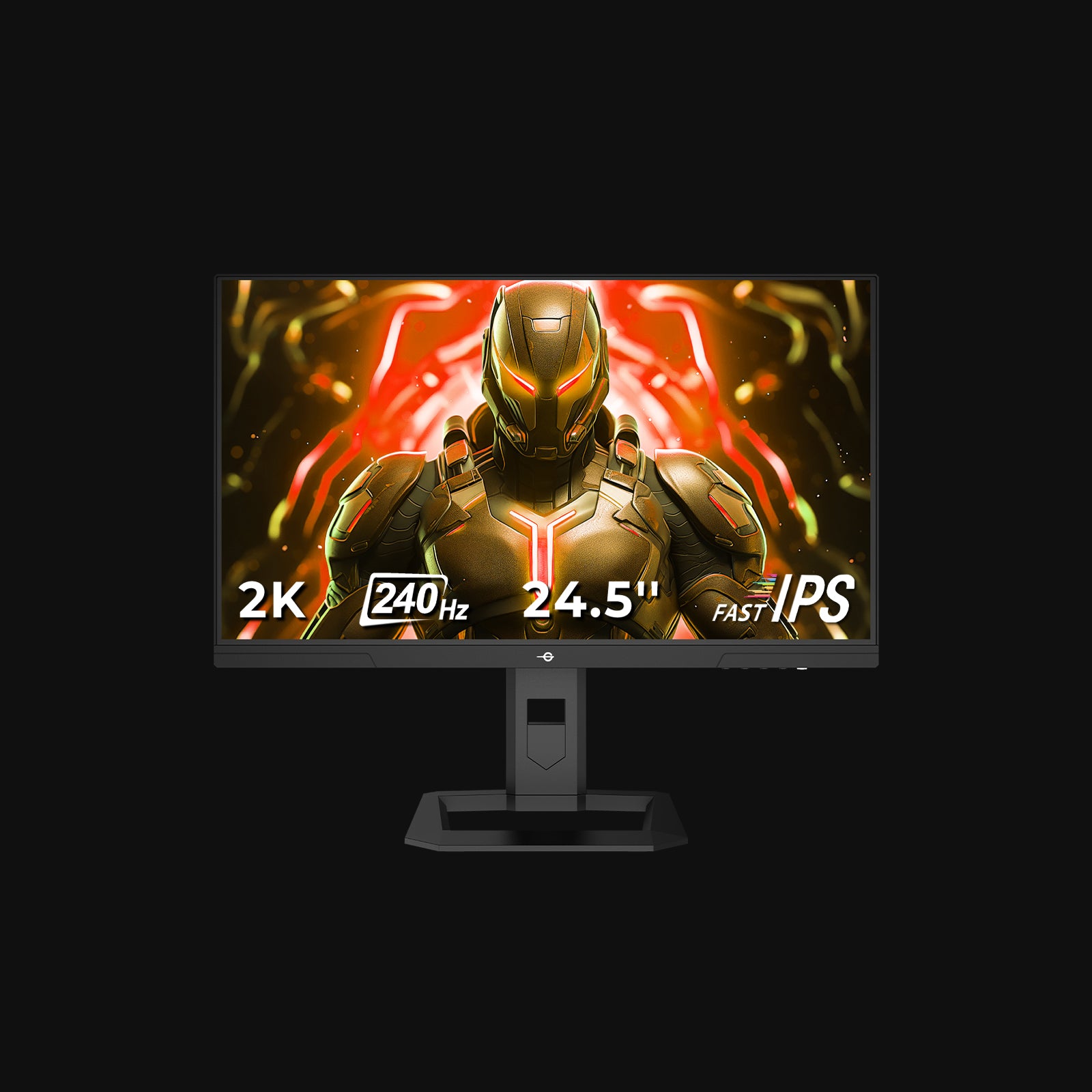
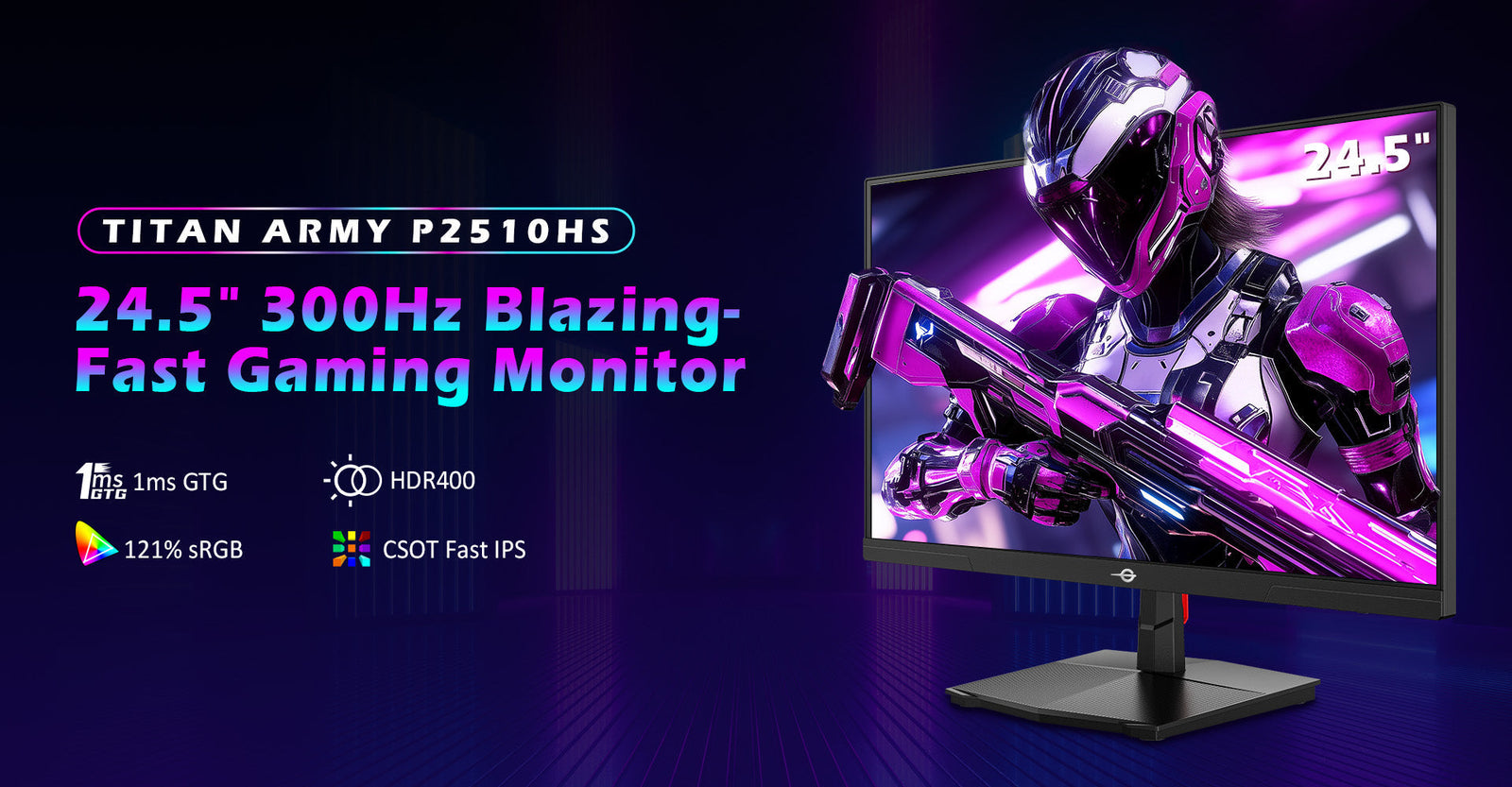
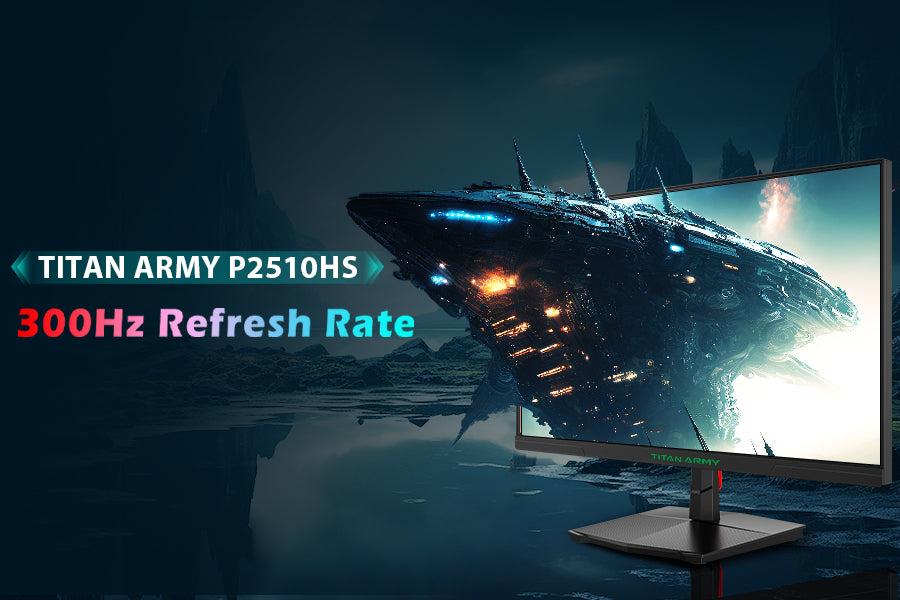
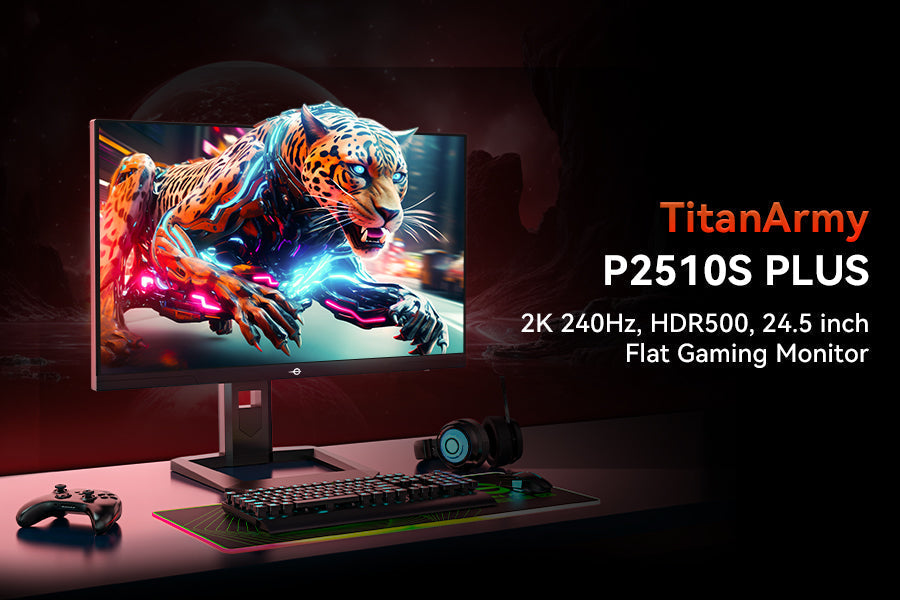
Voor een concurrentievoordeel: als je games speelt zoals Valorant of Counter-Strike, is snelheid essentieel. Dit is waar de Titan Leger P2510S Plus schittert. Dankzij het snelle IPS-paneel en een razendsnelle responstijd van 1 ms GTG zorgt het ervoor dat elke beweging met absolute precisie wordt weergegeven bij een verversingsfrequentie van 240 Hz.

2. Balans vinden tussen immersie en snelheid
Niet elke gamer heeft specificaties van esports-niveau nodig om van zijn favoriete games te genieten. Als je van meeslepende RPG's of racegames houdt, kun je een iets hogere reactietijd prima aan. Deze afweging levert je een beter contrast en een meer filmische ervaring op.
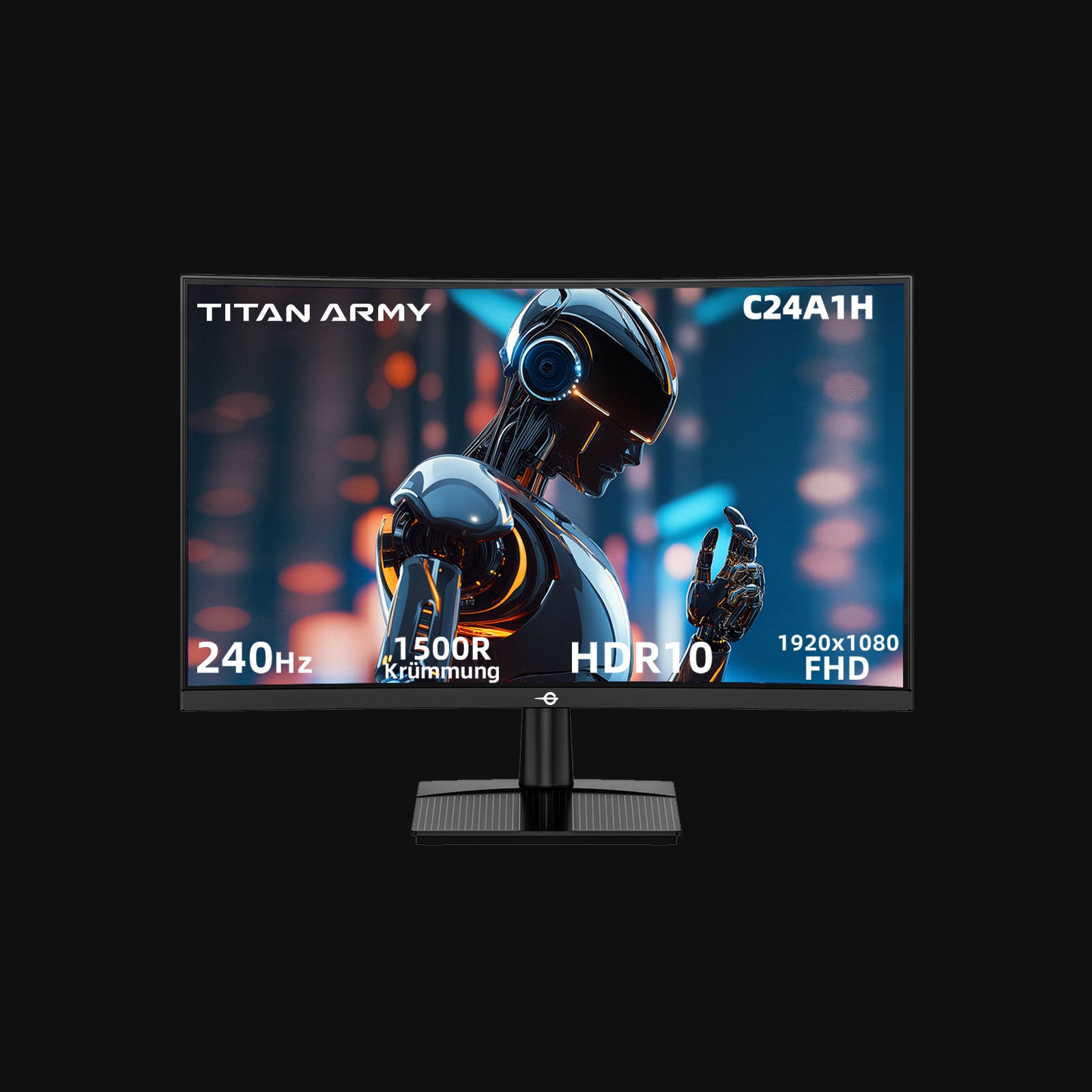
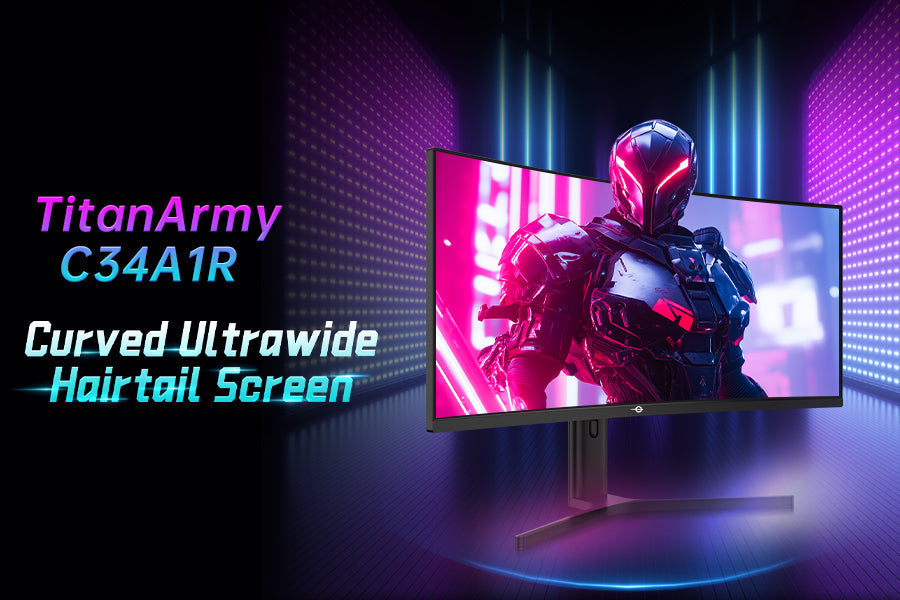
Voor meeslepende spelervaring: De Titan Army C24A1H Dit scherm heeft een responstijd van 1 ms MPRT op een elegant gebogen VA-paneel met een helderheid van 1500R. Het biedt de perfecte balans. De verversingsfrequentie van 240 Hz zorgt voor vloeiende bewegingen. De hoge contrastverhouding zorgt ervoor dat schaduwen in je favoriete games dieper en realistischer lijken.

3. GtG versus MPRT: Waar moet je op letten?
Bij het zoeken naar een gamingmonitor kom je waarschijnlijk twee verschillende meetwaarden voor de reactietijd tegen. Het begrijpen van het verschil is essentieel voor een weloverwogen aankoop.
GtG (Gray-to-Gray): Meet hoe snel pixels van kleur veranderen. Een lage GtG (zoals bij de P2510) geeft een indicatie van hoe snel pixels van kleur veranderen.S Plus) is het meest geschikt om ghosting te verminderen.
MPRT (Moving Picture Response Time): Meet hoe lang een pixel zichtbaar blijft. Een lage MPRT (zoals bij de C24A1H) is ideaal om de waargenomen bewegingsonscherpte tijdens snelle camerabewegingen te verminderen.
Hoe kies je de beste reactietijd voor jouw genre?
Het "beste" nummer hangt volledig af van wat je speelt. In 2026 zijn de normen veranderd door de evolutie van de paneeltechnologie. Gebruik de onderstaande tabel om jouw ideale match te vinden:
| Spelgenre | Aanbevolen reactietijd | Aanbevolen vernieuwingsfrequentie | Paneeltype: |
| Competitieve Esports (Valorant, CS2) | 1 ms of lager (GtG) | 240Hz - 360Hz | Snelle IPS/OLED |
| Actie & Racen (Forza, CoD) | 1 ms - 2 ms (GtG) | 144Hz - 165Hz | IPS / VA |
| RPG & Open World (Elden Ring) | 3ms - 5ms (GtG) | 60Hz - 120Hz | VA / IPS |
| Informeel/kantoorgebruik | 5ms+ | 60Hz - 75Hz | Standaard IPS |
Factoren die de reactietijd beïnvloeden
Naast het paneel zelf zijn er verschillende factoren die van invloed kunnen zijn op hoe snel je monitor aanvoelt:
- Overdrive-instellingen: De meeste monitoren hebben een "Overdrive"-functie in het OSD-menu. Dit versnelt de pixelovergangen, maar een te hoge instelling kan "overshoot" (omgekeerd ghosting) veroorzaken.
-
Paneeltechnologie:
- IPS: Uitstekende kleuren en snelle GtG.
- VA-paneel: Uitstekend geschikt voor gebogen monitoren vanwege het hoge contrast, hoewel het traditioneel iets trager is dan IPS.
- OLED: De koning van de reactietijd, vaak tot wel 0,03 ms.
- Invoervertraging: Verwar reactietijd niet met input lag. Input lag is de vertraging tussen het indrukken van een knop en het moment waarop de actie op het scherm verschijnt. Een goede gamingmonitor minimaliseert beide.
Tot slot: je eigen tempo vinden
Wat is dan de beste reactietijd voor een gamingmonitor?
- Voor de professional: Alles boven de 1 ms GtG is een compromis. Kies voor een 240Hz-monitor om ervoor te zorgen dat je hardware je nooit in de weg zit.
- Voor de liefhebber: Een monitor met een GtG-responstijd van 1 tot 2 ms biedt een perfecte combinatie van beeldkwaliteit en reactiesnelheid.
- Voor de recreatieve speler: Een reactietijd van minder dan 5 ms is een enorme verbetering ten opzichte van standaard kantoorschermen of oudere televisies.
Door een monitor te kiezen die aansluit bij je games en verwachtingen, geniet je van vloeiendere bewegingen, scherpere beelden en een betere game-ervaring. Titan Army ontwerpt gamingmonitors met deze balans in gedachten – prestaties die je voelt, niet alleen cijfers op een specificatieblad.